Just How Mass Containers Can Improve Effectiveness in Your Product Packaging Workflow
Bulk containers play a crucial role in optimizing packaging operations. Their layout makes it possible for better usage of upright area and advertises arranged stock monitoring. This efficiency causes reduced product replenishment frequency and reduced labor prices. Additionally, the sturdiness of these containers reduces item damage. As services seek means to improve their processes, understanding the complex advantages of bulk containers ends up being essential. What various other benefits might they offer the table?
Structured Storage Space Solutions
As business seek to maximize their procedures, structured storage space options have come to be vital for enhancing packaging efficiency. Effective storage space not only conserves area but additionally promotes quicker accessibility to materials, which is vital in fast-paced manufacturing environments. Mass containers, designed for simple stacking and company, greatly decrease the intricacy of storage space systems. They enable businesses to take full advantage of upright area while reducing the footprint required for inventory.
Furthermore, these containers usually feature ergonomic styles that streamline handling and transport, lowering the danger of injury and boosting workflow. By settling materials in mass containers, business can lower the frequency of restocking and improve their supply chain processes. Generally, the application of reliable storage space services cultivates an extra well organized work area, resulting in increased productivity and reduced functional costs. With thoughtful layout and critical use of mass containers, services can attain significant enhancements in their packaging procedures.
.jpg.png)
Waste Reduction and Sustainability
While the search of effectiveness often drives product packaging decisions, waste reduction and sustainability have arised as important considerations in modern operations. Firms significantly acknowledge that adopting mass containers can greatly reduce product waste. These containers usually utilize much less product packaging material than standard techniques, causing a smaller sized carbon footprint.
Additionally, bulk containers can be reused several times, which additionally lowers the need for single-use product packaging and minimizes general waste getting in landfills. Their style commonly enables for less complicated recycling processes, lining up with sustainability goals.
In addition, firms that prioritize waste decrease can boost their brand name reputation, attracting eco aware customers. By executing bulk containers, services not only simplify operations however likewise add favorably to environmental stewardship. This dual benefit of functional effectiveness and sustainability settings business favorably in an open market increasingly concentrated on environment-friendly techniques.
Improved Setting Up Line Efficiency

Applying bulk containers on production line significantly boosts efficiency by simplifying the handling and transport of products. By making use of mass containers, manufacturers can reduce the regularity of material replenishment, permitting workers to concentrate on assembly jobs as opposed to continuous stock management. This results in less interruptions and a smoother workflow, eventually improving performance.
Furthermore, bulk containers are developed for very easy integration with automated systems, additionally optimizing the assembly process. Their standardized dimensions and shapes help with much better organization, enabling employees to find and accessibility products promptly. This decrease in search time adds to an extra fluid manufacturing environment.
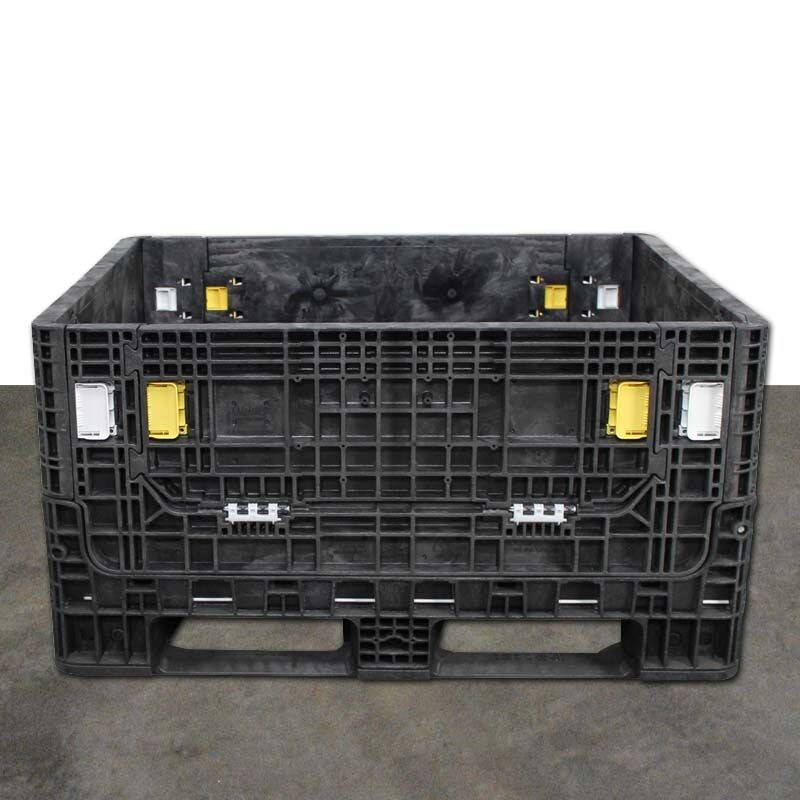
Expense Cost Savings and Enhanced Profit Margins
Significant price savings can be realized via the adoption of bulk containers in packaging procedures. By reducing the demand for several smaller plans, companies can reduce product costs notably. Mass containers frequently call for less product packaging product in general, resulting in lower expenses on products. In addition, the performance of bulk handling decreases labor prices associated with packing and unpacking, additionally enhancing financial savings.
Fewer trips to distributors and reduced transportation costs are additionally crucial advantages, as bulk containers enable raised product capacity per delivery. This higher volume not just reduces shipping expenses but likewise enhances storage space within centers, resulting in enhanced inventory management.
In here addition, the resilience of mass containers typically translates to decrease damages prices throughout handling and transport, maintaining product honesty and minimizing waste. Collectively, these factors contribute to improved profit margins, making bulk containers a financially helpful option for businesses seeking effectiveness in their packaging procedures.
Flexibility Across Industries
Mass containers use amazing flexibility across various markets, making them a valuable asset past simply cost financial savings. In the food and drink sector, these containers help with the risk-free transport and storage of big amounts of ingredients, improving performance in manufacturing lines. In pharmaceuticals, mass containers assure compliance with rigid hygiene requirements while suiting the mass handling of raw materials. The chemical market also advantages, as these containers stand up to harsh substances and stop contamination, supporting safe operations. used collapsible containers. In addition, the agricultural market makes use of mass containers for carrying grains and fertilizers, optimizing logistics and reducing waste. Their versatility includes production, where bulk containers simplify assembly procedures and minimize the requirement for extreme product packaging. This cross-industry functionality not just boosts functional performance yet additionally advertises sustainability with decreased packaging waste, highlighting the indispensable function bulk containers play in modern supply chains
Frequently Asked Concerns
Just How Do Mass Containers Influence Staff Member Safety in Packaging Procedures?
Bulk containers significantly enhance worker security in product packaging operations by minimizing hands-on handling, decreasing injury threats, and promoting ergonomic techniques. Their design assists in much safer transport and storage, ultimately developing an extra safe and secure workplace for all staff members.
What Products Are Bulk Containers Typically Made From?
Bulk containers are normally made from sturdy products such as high-density polyethylene, polypropylene, wood, or metal - used collapsible containers. These materials give strength, resistance to ecological variables, and suitability for different contents, making sure secure and reliable transport of goods
Can Bulk Containers Be Personalized for Particular Products?
Yes, bulk containers can be customized for specific items. Makers frequently tailor measurements, products, and includes to fulfill one-of-a-kind demands, making sure ideal defense and efficiency during storage and transportation of numerous goods.
How Do Bulk Containers Affect Transportation Logistics?
Bulk containers improve transport logistics by maximizing freight space, decreasing the number of trips required, and reducing handling expenses (used collapsible containers). Their standardized measurements facilitate effective discharging and loading, eventually bring about boosted functional effectiveness throughout the supply chain
What Is the Life-span of Bulk Containers in Routine Use?
The life-span of bulk containers in regular usage typically varies from 5 to 10 years, relying on material quality, managing methods, and ecological problems. Appropriate upkeep can significantly prolong their use and efficiency.
Applying mass containers on setting up lines substantially enhances effectiveness by improving the handling and transport of materials. Mass containers typically require much less packaging product generally, resulting in lower expenses on supplies. In pharmaceuticals, mass containers ensure conformity with stringent hygiene criteria while suiting the bulk handling of raw materials. Their versatility extends to manufacturing, where bulk containers streamline setting up procedures and minimize the demand for excessive product packaging. Bulk containers substantially enhance staff member security in product packaging procedures by minimizing hands-on handling, lessening injury dangers, and promoting ergonomic practices.